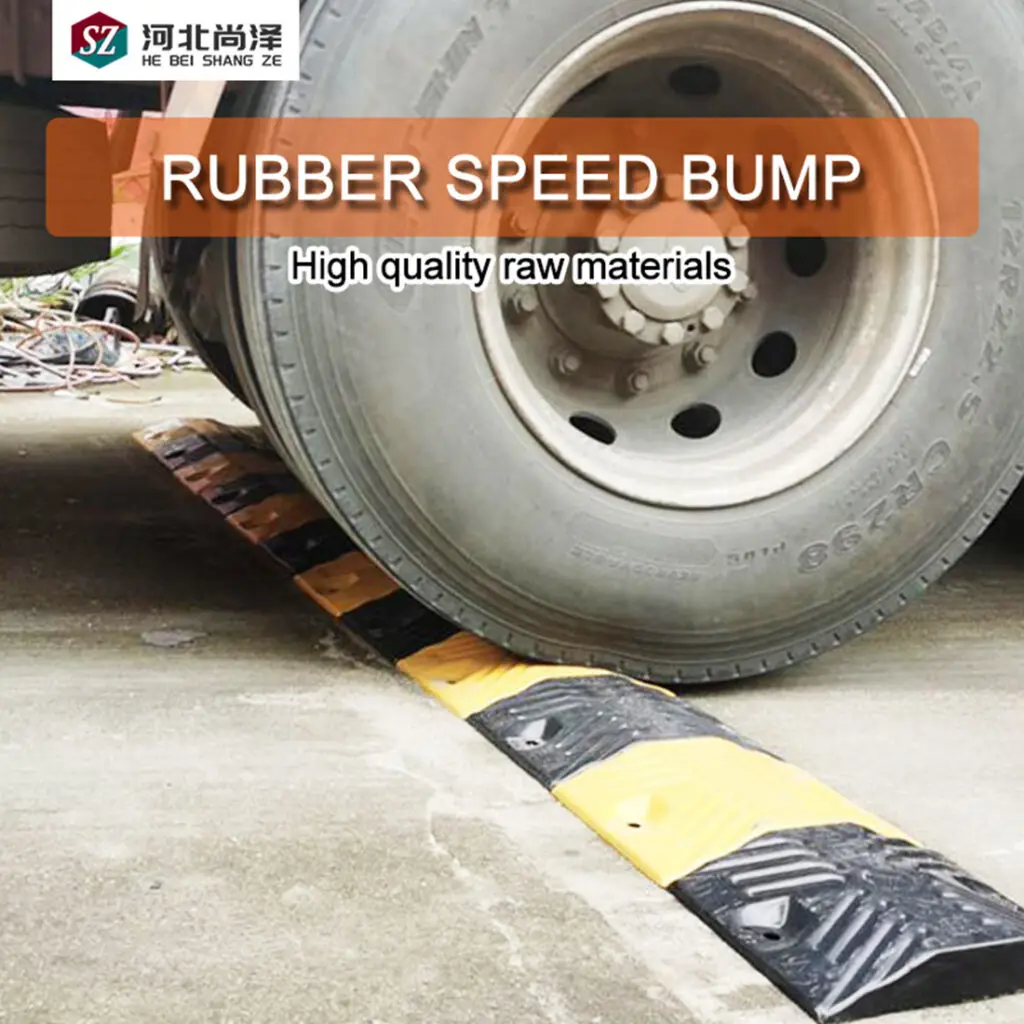
Rubber speed bumps are the top choice for safer streets in 2025. You see them in neighborhoods because they slow down cars. They help keep families safe. Cities use rubber speed bumps, rubber speed humps, and other ways to calm traffic. These tools help protect people.
- In 2025, about 42% of cities pick rubber speed bumps. They choose them instead of asphalt or concrete for slowing cars.
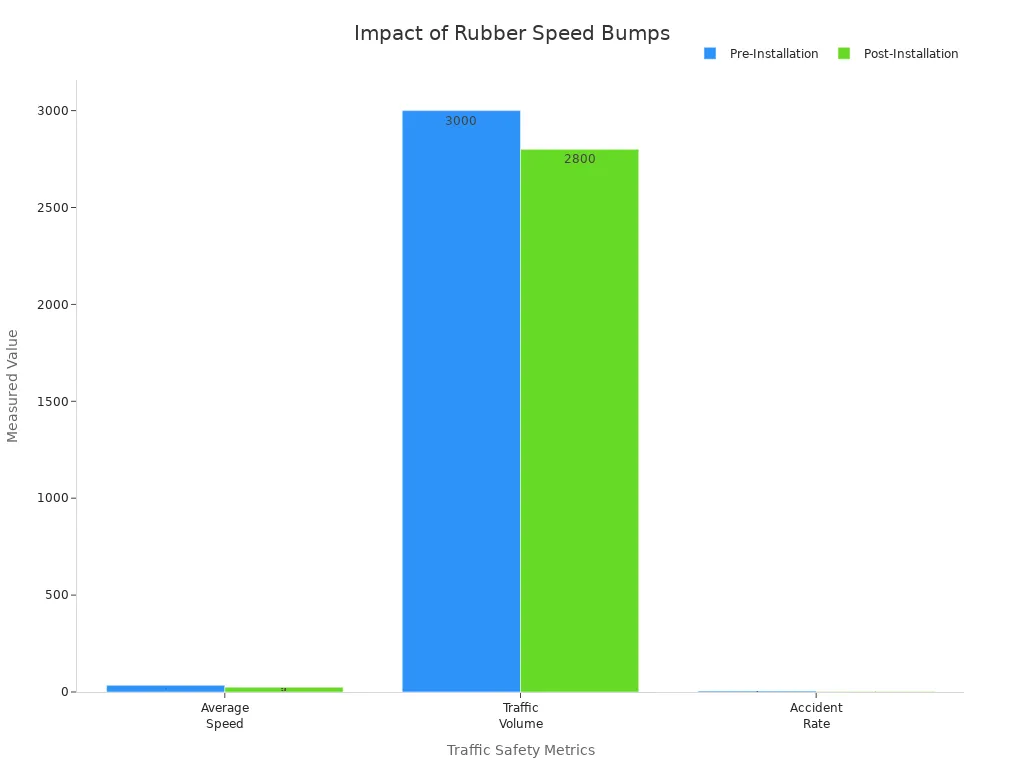
Rubber speed bumps help you drive safer. They slow cars down without making rides uncomfortable. Their flexible design makes them easy to put in place. They also help the environment. The numbers show their impact:
| Metric | Pre-Installation | Post-Installation | Change |
| — | — | — | — |
| Average Speed (mph) | 35 | 25 | -28.6% |
| Traffic Volume (vehicles/day) | 3000 | 2800 | -6.7% |
| Accident Rate (accidents/year) | 5 | 2 | -60% |
You feel smoother rides over rubber speed humps. The material absorbs bumps and makes rides less rough. If you want safer driving and safer streets, rubber speed bumps work well.
Key Benefits of Rubber Speed Bumps
Enhanced Road Safety
You want your streets to be safe. Rubber speed bumps help make neighborhoods safer. When you put these bumps in, accidents happen less often. Cars slow down, so drivers have more time to stop. This helps keep families and neighbors safe.
Tip: Rubber speed bumps are best where speeding is dangerous. You can put them near schools, parks, or busy crossings.
Here is how rubber speed bumps help your community:
| Safety Improvement | Description |
|———————————-|————————————————————————————————-|
| Reduce Speeding Risks | Speed bumps make cars slow down. This lowers the chance of speeding and crashes. |
| Minimize Collisions | Slower cars give drivers more time to stop. This means fewer crashes. |
| Protect Pedestrians | Speed bumps make walking areas safer for people. Pedestrians are better protected. |
| Improve Driver Awareness | Speed bumps remind drivers to be careful in new places. |
| Support Safer Residential Zones | In neighborhoods, speed bumps help keep kids and pets safe. Cars drive slower. |
| Reduce Accident Severity | When cars go slower, accidents hurt less and cars get less damage. |
You can see fewer accidents after rubber speed bumps are installed. Studies show big drops in accident numbers and how bad they are. Many places see the same results. This proves rubber speed bumps help make streets safer.
Controlled Speed Reduction
Rubber speed bumps make cars slow down. Drivers go up to 45% slower when they see these bumps. This happens with cars, trucks, and motorcycles. Rubber speed humps also keep speeds low in busy places.
- Rubber speed bumps always help slow down traffic.
- Experts say these bumps are important for safety.
- Rubber speed humps work on many kinds of roads.
When you pick rubber speed bumps, you help your community. Cars drive slower, so there are fewer crashes and less danger.
Pedestrian Protection
You want people walking to be safe. Rubber speed bumps make it safer for walkers, especially near schools and parks. These bumps help protect kids by making cars slow down. Parents feel better when their kids walk or ride bikes nearby.
Note: Rubber speed humps protect people in busy walking areas. You can put them in fast and see results right away.
Rubber speed bumps make drivers pay attention. There are fewer accidents and less danger for people crossing. When you use rubber speed bumps, you show you care about safety in your neighborhood.
Rubber Speed Bumps as Traffic Calming Devices
Flexible Design and Surface Adaptation
You want traffic calming devices that work in many places. Rubber speed bumps and rubber speed humps are flexible. Their strong design lets them fit on different roads. You can put them on asphalt, concrete, or bumpy pavement. The bottom has drainage canals. These canals help water move away. The bumps work well in rain or snow. You do not need to worry about cracks or moving. Rubber speed bumps adjust to your street and stay useful.
Pedestrian Protection
You want people walking to be safe. Rubber speed bumps make it safer for walkers, especially near schools and parks. These bumps help protect kids by making cars slow down. Parents feel better when their kids walk or ride bikes nearby.
Note: Rubber speed humps protect people in busy walking areas. You can put them in fast and see results right away.
Rubber speed bumps make drivers pay attention. There are fewer accidents and less danger for people crossing. When you use rubber speed bumps, you show you care about safety in your neighborhood.
Rubber Speed Bumps as Traffic Calming Devices
Flexible Design and Surface Adaptation
You want traffic calming devices that work in many places. Rubber speed bumps and rubber speed humps are flexible. Their strong design lets them fit on different roads. You can put them on asphalt, concrete, or bumpy pavement. The bottom has drainage canals. These canals help water move away. The bumps work well in rain or snow. You do not need to worry about cracks or moving. Rubber speed bumps adjust to your street and stay useful.
Tip: Check the road before you install anything. Use good materials and let experts do the job for the best results.
Noise and Vibration Reduction
You want your neighborhood to be quiet. Rubber speed bumps help keep things peaceful. The rubber absorbs the impact from cars. You hear less noise than with concrete or asphalt bumps. People notice the difference when there are lots of bumps. Asphalt and concrete bumps make loud sounds when cars stop and go. Rubber speed bumps give smoother, quieter rides. Your community feels less shaking and less noise.
| Type of Speed Bump | Noise Level | Vibration |
|---|---|---|
| Rubber | Low | Low |
| Asphalt | High | High |
| Concrete | High | High |
Environmental Impact
You want to help the environment and make streets safer. Rubber speed bumps let you do both. Makers use recycled materials from old tires. Each bump keeps 12-15 tires out of landfills. Making rubber bumps uses less energy than making concrete or asphalt. You help lower carbon emissions. Rubber speed bumps last longer, so you do not replace them often. You can recycle them again when they wear out. Reflective parts on rubber speed bumps save energy because you need less lighting.
- Made from recycled tires
- Use less energy to make
- Need fewer replacements
- Can be recycled again
- Keep waste out of landfills
- Help save energy
You make a smart choice for your town and the planet when you pick rubber speed bumps.
Comparing Rubber Speed Bumps, Asphalt, and Concrete

Performance and Durability
You want a traffic solution that lasts. Rubber speed bumps give you flexibility and quick results. They work well in many places, but they do not last as long as asphalt or concrete. Asphalt speed bumps can last up to 20 years. Concrete speed bumps can last even longer, up to 25 years. Rubber speed bumps usually last between 3 and 10 years. If your street sees heavy traffic, rubber speed bumps may wear down faster. Rubber speed humps also show good performance, but you may need to replace them sooner than other options.
- Rubber speed bumps: 3–10 years lifespan
- Asphalt speed bumps: 10–20 years lifespan
- Concrete speed bumps: 15–25 years lifespan
Rubber speed bumps keep their shape in rain, snow, and heat. Asphalt can crack. Concrete can break. You get steady performance with rubber speed bumps, but you may need to check them more often.
Installation and Maintenance
You want easy installation. Rubber speed bumps save you time and money. You can install them quickly without closing the road. Asphalt and concrete need more steps and special equipment. Rubber speed bumps are easy to remove or move if you change your mind.
| Type of Speed Bump | Installation Time Comparison |
|---|---|
| Rubber | Requires less time |
| Asphalt | Involves more extensive steps |
Rubber speed bumps need less maintenance than asphalt. Asphalt speed bumps often need repairs because they absorb more impact. Concrete speed bumps need patching and can be expensive to fix. Rubber speed bumps cost less to install and keep up.
- Rubber speed bumps: less frequent repairs, lower upfront cost
- Asphalt speed bumps: more repairs, higher long-term cost
- Concrete speed bumps: expensive to fix
Long-Term Value
You want the best value for your community. Rubber speed bumps offer savings over time. They cost less to install and maintain. You spend less on repairs. Over 10 years, rubber speed bumps help you save money. Municipal projects show that rubber speed bumps keep their shape and work well in all weather. You do not need to worry about cracks or big repairs. Rubber speed bumps give you reliable speed control and protect your budget.
| Evidence Type | Description |
|---|---|
| Durability | Rubber speed bumps keep working in rain, snow, and heat. Asphalt can crack. |
| Low Maintenance | You spend less on repairs with rubber speed bumps. |
| Long-term Value | Rubber speed bumps save money over time and keep streets safe. |
If you want a smart, cost-effective solution, choose a rubber speed bump for your street.
Cost-Effective Traffic Calming Solution
Installation Without Road Closures
You want a safer street, but you do not want to stop traffic for days. Rubber speed bumps give you a fast and easy way to slow cars without closing the road. You can install them in just a few hours. Here is how the process works:
- You check the traffic and pick the best spot for the speed bump.
- You talk with local leaders and neighbors to make sure everyone agrees.
- You clean and mark the road where you will place the bump.
- You follow the instructions and bolt the rubber speed bump to the road.
- You check that the bump is secure and easy for drivers to see.
You keep your street open while you work. Drivers can still use the road. You do not need big machines or special crews. This makes rubber speed bumps a smart choice for busy neighborhoods.
Low Maintenance Costs
You want a solution that saves money year after year. Rubber speed bumps cost less to install and keep up than other traffic calming solutions. The price for each speed bump ranges from $500 to $2,000. You spend less on repairs because rubber lasts through rain, snow, and heat. You do not need to fix cracks or holes like you would with concrete or asphalt. Rubber speed bumps stay strong and safe for years, so you save money over time.
| Type | Installation Cost | Maintenance Needs |
|---|---|---|
| Rubber Speed Bumps | $500–$2,000 | Low |
| Asphalt | Higher | High |
| Concrete | Higher | High |
You get a long-lasting solution that protects your budget and your community.
Community Acceptance
You want your neighbors to feel good about new changes. Rubber speed bumps help everyone feel safer. People like them because they do not make loud noises or damage cars. Parents feel better letting kids walk or bike to school. Drivers see the bumps and slow down. You can move or remove rubber speed bumps if your needs change. Many towns have seen fewer accidents and happier residents after installing these traffic calming solutions.
Tip: Ask your community for feedback before and after you install rubber speed bumps. You build trust and show you care about safety.
Rubber speed bumps give you a cost-effective traffic calming solution. You get safer streets, lower costs, and support from your neighbors. Choose rubber speed bumps for a long-lasting solution that works for everyone.
You want safer streets in 2025. Rubber speed bumps give you the best choice for your community. You get strong safety, easy installation, and a solution that helps the planet. Transportation experts recommend rubber speed bumps because:
- They use recycled rubber and reduce waste.
- You install them quickly and move them if needed.
- They last through rain, snow, and heat.
New trends like smart and solar-powered rubber speed bumps will make your roads even safer. If you want to start, follow these steps:
- Plan and get permits.
- Mark and prepare the area.
- Clear and ready the space.
- Install and secure each rubber speed bump.
- Test and mark the site for drivers.
Choose rubber speed bumps for safer streets and a better future.
FAQ
How long does it take to install a rubber speed bump?
You can install a rubber speed bump in just a few hours. You do not need special machines. Your street stays open, so drivers keep moving. Fast installation means less hassle for your neighborhood.
Will rubber speed bumps damage my car?
You do not need to worry about damage. Rubber speed bumps have a smooth, flexible surface. They absorb impact and protect your car’s tires and suspension. You get safer streets without harming your vehicle.
Can you move or remove rubber speed bumps later?
Yes! You can move or remove rubber speed bumps easily. If your needs change, you just unbolt them. This flexibility helps you adjust traffic calming as your community grows.
Are rubber speed bumps safe in winter?
Rubber speed bumps work well in snow and ice. The material stays flexible in cold weather. You get reliable speed control all year. Snow plows can clear roads without damaging the bumps.