You see a traffic cone on the road, and you know to be careful. Traffic cones are easy to spot because they are bright and have bold shapes. They help guide you and other drivers around dangers. Studies show that traffic cones mark risky spots and keep workers safe. They help stop accidents from happening every day.
Traffic cones are known everywhere as signs of safety and order. They help make roads safer for all people.
Key Takeaways
- Traffic cones are important for road safety. They help drivers and people walk around dangers. This helps stop accidents from happening.
- Traffic cones have bright colors and shiny stripes. This makes them easy to see, even when it is dark or foggy. Seeing them helps people know there is danger.
- When people use traffic cones the right way, they keep workers and people safe in busy places. Traffic cones make safe spaces and show cars where to go.
What Is a Traffic Cone
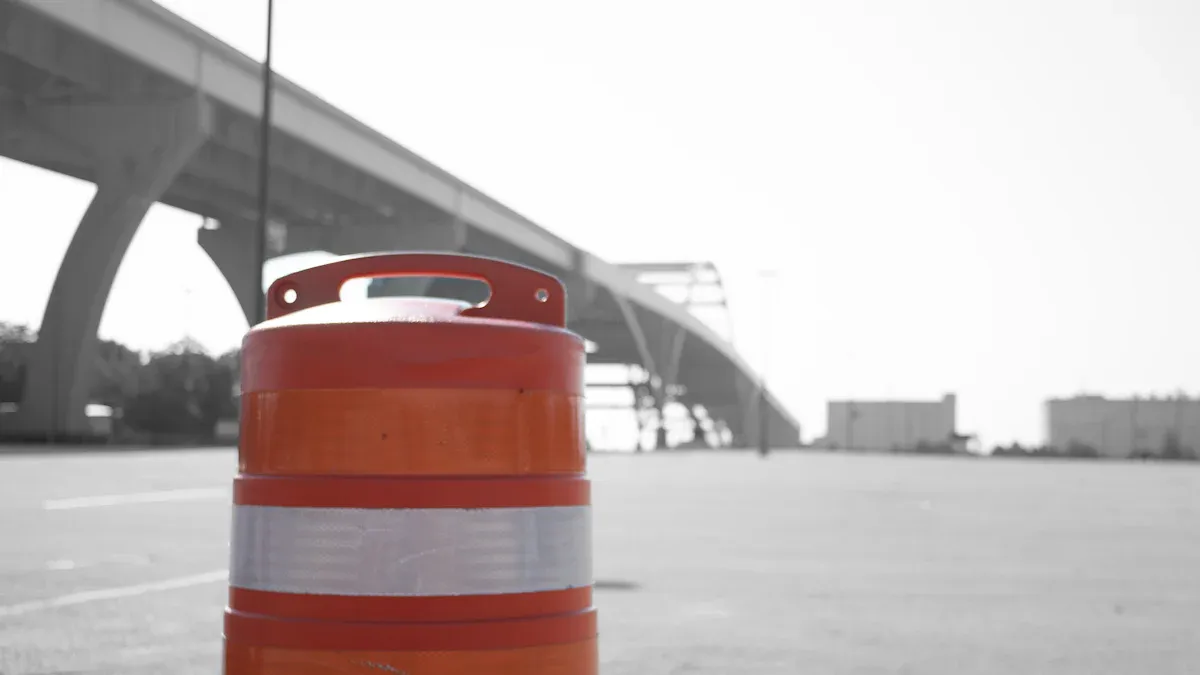
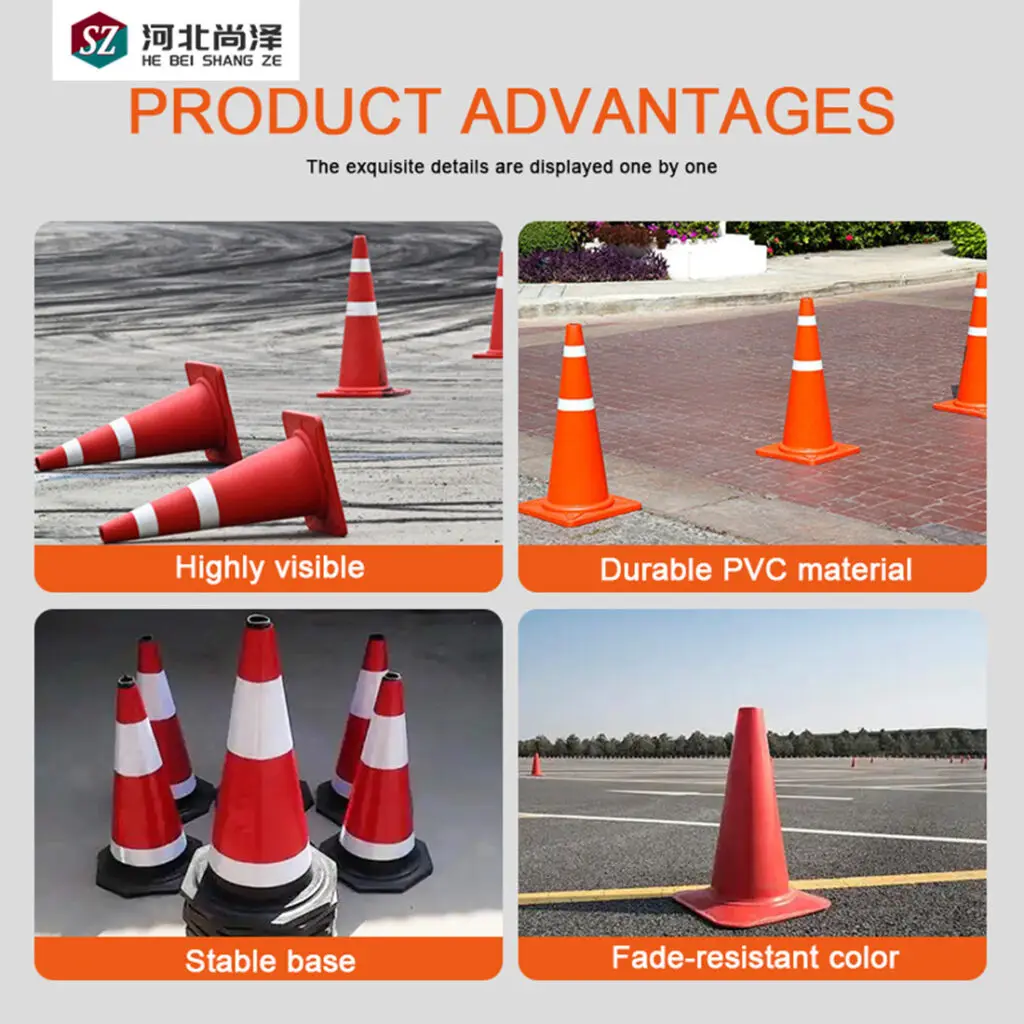
Traffic cones are also called road cones. You see them on roads and in parking lots. People use them to guide cars and show where danger is. They help keep people safe. These cones are easy to notice because they are bright and shaped differently. Most traffic cones are between 18 and 36 inches tall. They are made from tough plastic. This plastic can handle bad weather and lots of use.
Key Features
You see traffic cones because they use special materials. The table below shows what these materials are and why they are used:
| Material | Characteristics | Reasons for Selection |
|---|---|---|
| Polyvinyl Chloride (PVC) | Flexible, keeps its shape, does not fade in sunlight, works in hot or cold weather | Lasts longer, needs fewer replacements, keeps its color, does not break easily on busy roads |
| Polyethylene (PE) | Hard, light, can crack more easily | Costs less, good for places with less traffic, easy to move |
You can buy traffic cones for a few dollars if you want a simple one. Some cones cost more if they have extra features. Companies like Hebei Shangze make cones that follow safety rules and last a long time.
Visibility and Design
You notice traffic cones because of how they look. Here are the main things that help you see them:
- Bright orange color stands out in daylight.
- Reflective stripes shine at night or when it rains.
- Cone shape helps it stay up and not fall over.
- Strong plastic and rubber help cones last in sun, rain, and wind.
These features help keep you safe. The bright color makes cones easy to see on roads and sidewalks. Reflective stripes help you see cones when car lights shine on them at night. Engineers make cones so you can spot danger and changes in traffic.
Traffic Cone Functions
Traffic cones play a key role in keeping roads and public spaces safe. You see them almost everywhere, from busy highways to school zones. These simple tools help you and others stay safe by guiding traffic, marking hazards, and protecting people in work zones. Let’s look at the main traffic cone uses and why they matter for everyone on the road.
Directing Traffic
You rely on traffic cones to show you where to drive or walk. When you see a line of cones, you know to follow a new path. Workers use cones to direct cars and people during road construction, maintenance, or special events. This helps prevent confusion and keeps traffic moving smoothly.
- Traffic cones guide vehicles and pedestrians around work zones.
- They help you merge into new lanes safely.
- Cones show you where to stop or slow down near schools, hospitals, or busy intersections.
A well-planned setup of cones reduces accidents and keeps everyone safe. You can trust that cones will lead you in the right direction, even in crowded or confusing places.
Creating Barriers
Traffic cones create quick and clear barriers when you need them most. You might see cones blocking off a lane after an accident or marking a spot where workers fix a water line. Their bright color and shape make them easy to spot, even at night.
Tip: Emergency teams use traffic cones to block off dangerous areas, like crash sites or chemical spills. This keeps you and others away from harm.
You can move cones quickly to set up safe zones for workers or to keep cars out of unsafe spots. Their lightweight design means you can adjust them as needed, making them perfect for fast-changing situations.
Marking Hazards
You depend on traffic cones to warn you about sudden dangers. If a road has a pothole or a spill, cones show you where to avoid. This helps prevent accidents and keeps you alert.
- Cones mark high-risk areas, like sharp turns or slippery spots.
- They alert you to changes in road conditions, such as lane closures or detours.
- Cones work with other safety tools, like signs and barriers, to give you clear warnings.
When you see cones, you know to pay extra attention. This simple warning system helps protect both drivers and pedestrians from unexpected hazards.
Protecting Workers and Pedestrians
Traffic cones keep workers and pedestrians safe in busy areas. When crews fix roads or set up events, cones create a safe space for them to work. You see cones marking off sidewalks, crosswalks, or event entrances.
- Cones form a visible border between you and work zones.
- They help prevent cars from entering areas where people are working.
- Cones guide you safely around construction sites or crowded events.
The importance of traffic cones shows in how they protect everyone on the road. You help keep workers safe by following the paths marked by cones. This teamwork makes roads and public spaces safer for all.
Importance of Traffic Cones for Safety
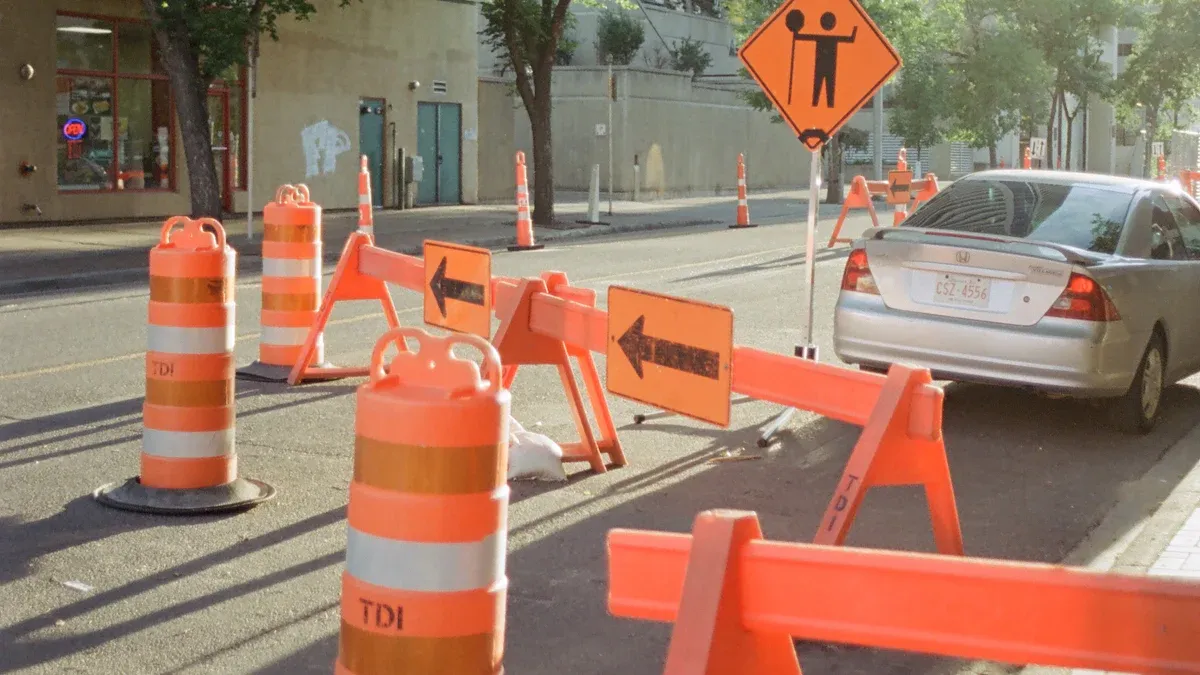
Traffic cones help keep roads and public places safe. You see them often, but you may not know how much they help. They stop accidents and guide you through hard spots. Their bright color and shape are not the only reasons they matter. Traffic cones are important traffic control equipment. They help you and others stay safe in many ways.
Accident Prevention
You count on traffic cones to keep you safe. These cones stand out because you can see them easily. This is true in risky places. At night or in bad weather, you see the bright orange and shiny tape. This helps you avoid danger and stay on the right path.
Here are ways traffic cones help stop accidents:
- Tall cones with shiny collars are easy to see on highways, even when it is dark.
- Workers use special trucks to put cones down safely, so no one steps into traffic.
- Good cone placement shows lane closures and marks crosswalks during road work.
Road safety groups say traffic cones help stop accidents in many ways:
| Benefit | Description |
|---|---|
| Visibility | Makes obstacles and changes easy to see. |
| Portability | Easy to move and use in different places. |
| Cost-effectiveness | Works well without costing a lot of money. |
| Versatility | Good for many uses, like building sites and events. |
Cones make clear barriers you can see and touch. This helps stop confusion and keeps drivers from making mistakes. Traffic cones are important because they protect you and others on the road.
Work Zone Management
You need traffic cones to organize busy work zones. When crews fix roads or set up events, cones make safe work areas. This keeps workers safe and guides you away from danger.
Best ways to manage work zones include:
- You see signs, barriers, and cones that show you where to go.
- Electronic boards give you updates about lane closures and speed changes.
- Workers follow plans and set up all signs and markings.
Traffic cones help you know where you can and cannot go. You see cones marking no-access spots during emergencies or special events. Emergency teams use cones to make safe areas around accidents or spills. This keeps helpers safe and guides you away from danger. It also stops more accidents from happening.
Visual Guidance
You trust traffic cones to show you the way, especially when you cannot see well. The bright orange color stands out in daylight and fog. Shiny collars help you see cones at night from far away.
Traffic cones guide you in many ways:
- You spot cones easily because they meet safety rules for visibility.
- Shiny materials help you see cones at night or in storms.
- Cones mark obstacles, changes, and no-go areas, so you stay safe.
Traffic cones are very important for safety. They help drivers and workers by guiding you, marking dangers, and protecting everyone in busy places. You benefit from their many uses, easy setup, and trustworthiness every time you pass a work zone or emergency spot.
Types of Traffic Cones
You see different traffic cones on roads and parking lots. Each cone has a special job and design. You pick the right cone by looking at its color and size. Features also help you choose.
Standard Road Cones
Standard road cones are the ones you see most. They are bright orange and stand 18 to 36 inches tall. You use them for traffic safety and control. Most standard cones are made from strong PVC or PE. This helps them last in bad weather. You can stack these cones to store them easily. Many companies make good cones that follow safety rules. Prices start low but go up for extra features.
| Type of Cone | Design Features | Usage Contexts |
|---|---|---|
| Standard Orange Cones | Bright orange, stackable, 18-36 inches | Traffic control, work zones |
| PE Cones | Lightweight, UV resistant | City streets, parking lots |
| Weighted Base Cones | Added weight for stability | Outdoor, windy areas |
Tip: Orange cones mean caution and show changes in traffic.
High-Visibility Cones
You use high-visibility cones at night or in bad weather. These cones have shiny collars that reflect headlights. Drivers can see them from far away. High-visibility cones use strong PVC and HDPE. They stay upright in wind and rain.
- Shiny collars help you see cones in the dark.
- Tough materials make cones last longer.
- You use these cones on busy roads and highways.
| Feature | Benefit |
|---|---|
| Reflective Collars | Easy to see at night or in storms |
| Weight Stability | Stays upright in wind |
| Visibility Distance | Seen from far away |
Specialty Cones
Specialty cones mark special dangers or areas. You see cones in colors like yellow, green, blue, white, and pink. Each color means something different. Yellow cones warn about slippery spots. Blue cones show emergency places. Some specialty cones fold up for easy storage. Others have chains or lights.
| Type of Cone | Unique Features |
|---|---|
| Collapsible Traffic Cones | Foldable, quick to set up |
| Colored Traffic Cones | Mark specific zones or hazards |
| Slimline Traffic Cones | Fit in narrow spaces |
| Cones with Accessories | Chains, lights, or signs for extra safety |
You find specialty cones at events, schools, and factories. These cones help organize big spaces and keep people safe.
Traffic cones keep you safe when you travel on roads. Their bright colors and shiny stripes help you see work zones. They also show you where there are dangers. Using cones the right way helps stop accidents.
- Pick the right size cone for each spot.
- Put cones in the right place and follow safety rules.Remember, using traffic cones the right way helps protect drivers, workers, and people walking every day.
FAQ
What is the typical height of a traffic cone?
You usually see traffic cones between 18 and 36 inches tall. Taller cones work best for highways and busy roads.
What materials are used to make traffic cones?
You find most traffic cones made from PVC or PE. These materials make cones strong, flexible, and able to last in tough weather.
How much do traffic cones cost and who makes them?
You can buy basic traffic cones for a few dollars. Cones with extra features cost more. Companies like hebei shangze produce high-quality traffic products.